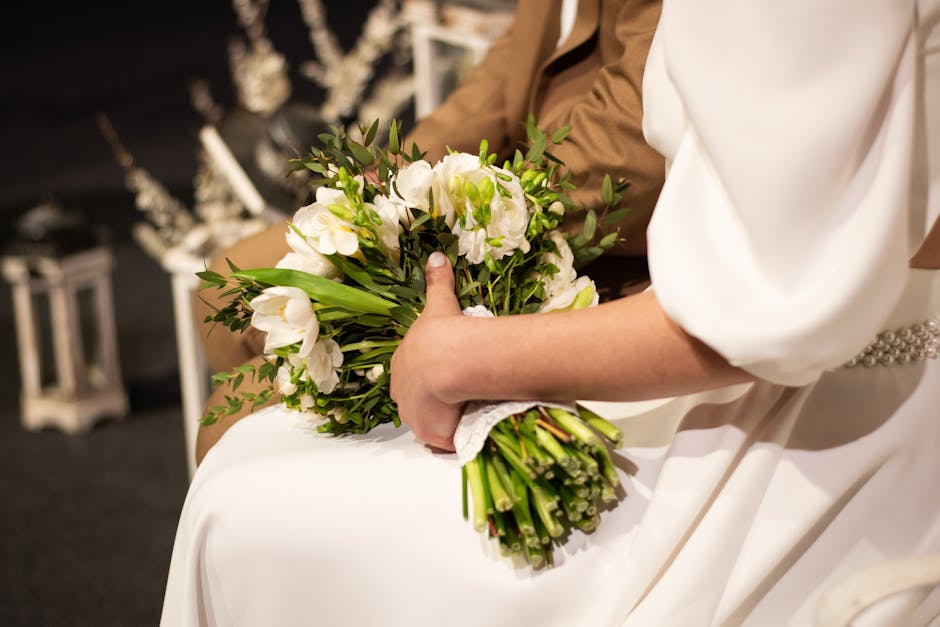
Choosing the perfect wedding bouquet for UK couples
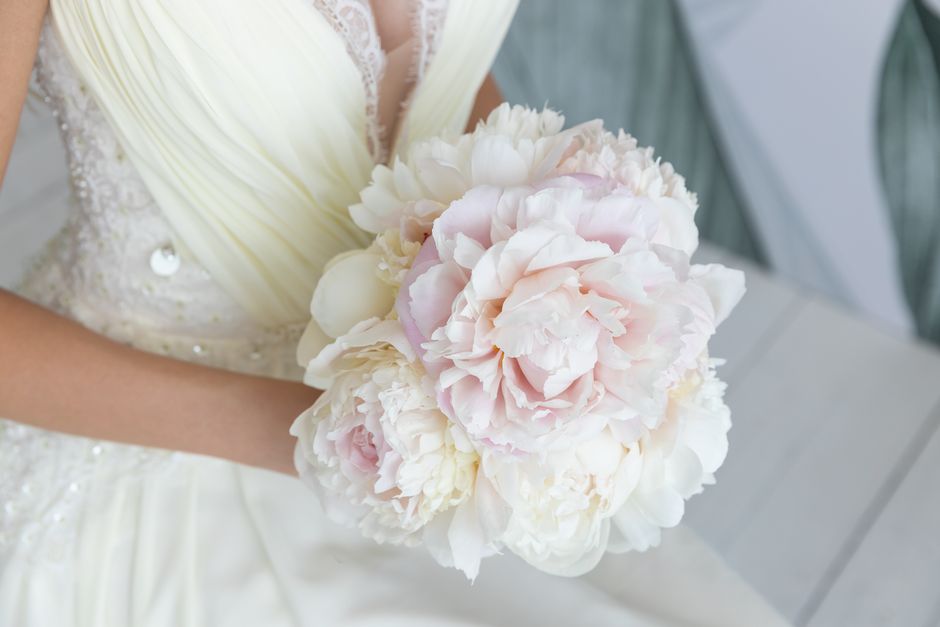
Choosing the perfect wedding bouquet for UK couples is one of those wedding decisions that looks simple on the surface, then suddenly becomes very personal. Do you want soft and romantic, crisp and modern, full of meaning, or something that just feels like you? For many couples, the bouquet is the one floral detail that shows up in almost every photograph, so it needs to work with the dress, the venue, the season, and the mood of the day. It also has to survive the real world: a bit of travel, a busy morning, maybe a windy church entrance, and the inevitable excited grip before the ceremony. This guide walks you through the choices that matter, the mistakes to avoid, and the best practical way to get a bouquet that looks beautiful and feels right.
If you are planning flowers elsewhere in your wedding too, it can help to think about the bouquet as part of the wider floral story. Delivery timing, freshness, and aftercare all matter, which is why many couples also look at flower delivery options and simple flower care guidance before the big day. A bouquet is small, yes. But it carries a lot of weight.
Why Choosing the perfect wedding bouquet for UK couples Matters
The bouquet is more than a pretty accessory. It is a visual anchor for the whole bridal look, and for many UK couples it becomes part of the emotional memory of the day. You will notice this in the photos later: the bouquet is often the first floral detail people see, and the one that appears repeatedly in close-up shots, aisle moments, and group images.
It also has a practical job. A good bouquet should complement the dress without competing with it, fit the scale of the person carrying it, and hold up through the ceremony and portraits. That is especially relevant in the UK, where wedding days can swing from cool morning air to a warm afternoon, or from calm to a bit blustery in no time at all. Let's face it, the weather likes to keep us on our toes.
There is another reason it matters: a bouquet helps set the tone. A loose garden-style arrangement says something different from a sculptural calla lily design or a classic rose posy. It quietly tells guests whether the day feels formal, relaxed, traditional, contemporary, or whimsical. And because the bouquet is often handled so closely, fragrance matters too. Some couples love a scented bouquet; others would rather avoid anything too strong, especially if allergies are a concern.
For UK weddings, seasonality also matters more than people sometimes expect. Spring tulips, summer peonies, autumn dahlias, and winter amaryllis all bring different textures and mood. Choosing blooms that suit the time of year usually gives you a more natural result, and often a better balance between appearance, availability, and resilience. Truth be told, flowers that are fighting the season can look tired before the speeches start.
How Choosing the perfect wedding bouquet for UK couples Works
The bouquet selection process is really a series of small decisions that build on one another. First comes the wedding style: formal, rustic, modern, registry office, country house, city hotel, or something in between. Then comes the dress and silhouette, because the bouquet should support the outfit rather than overpower it. After that, couples usually look at colour palette, flower meaning, season, size, and budget. Only then does the final design take shape.
In a well-planned process, your florist or flower supplier will usually ask questions such as:
- What is the venue and what are the surroundings like?
- What colours are in the dress, suit, bridesmaid outfits, or decor?
- Do you want a structured bouquet or a looser hand-tied feel?
- Are there flowers you love, dislike, or need to avoid?
- Will the bouquet need to travel, and if so, how far?
Those questions are not fluff. They are the difference between a bouquet that looks nice in theory and one that works in real life. For example, a large, cascading bouquet can look spectacular in a cathedral or grand venue, but feel awkward in a tiny registry office or on a narrow staircase. A compact bouquet may be better for ease of movement and comfort, especially if you want to greet guests, hold a drink, and not feel like you are carrying a small shrub. Happens more often than you would think.
Delivery and timing matter too. Fresh wedding flowers should ideally arrive close enough to the event to stay crisp, but with enough lead time for conditioning and adjustments if needed. If you want the bouquet handled as part of a broader flower order, it is worth reviewing the site's delivery information and guarantees so you know what level of service and reassurance is available.
Key Benefits and Practical Advantages
A carefully chosen bouquet does a lot of work for a relatively small item. Here are the main benefits couples tend to notice once the day arrives.
- Better visual harmony: the bouquet ties together dress, venue, and colour palette without feeling forced.
- Stronger photography: the right size and shape frame the hands, waistline, and overall silhouette in a flattering way.
- More comfort: a bouquet that suits your grip and posture is much easier to carry for several hours.
- Seasonal authenticity: flowers that naturally suit the time of year often look fresher and feel more in tune with the day.
- Clearer emotional meaning: many couples use flowers to reflect family traditions, favourite blooms, or personal symbolism.
- Less stress: when the bouquet fits the plan, you are not second-guessing it on the morning of the wedding.
There is also a less obvious advantage: a good bouquet makes everything else around it easier to decide. Once you settle on a shape and style, it becomes simpler to choose buttonholes, bridesmaid bouquets, and table flowers. That kind of visual consistency is underrated. It saves time, and it reduces those last-minute "should we change everything?" conversations that somehow always arrive the night before the wedding.
If sustainability is part of your decision-making, you may also want to consider sourcing and waste. Some couples prefer locally inspired seasonal designs or ask for a bouquet that can be repurposed after the ceremony. A florist with a clear sustainability approach can help you think about this in a practical way without making the day feel complicated.
Who This Is For and When It Makes Sense
This guide is for UK couples who want a bouquet that feels considered, not just chosen at the last minute. It is especially useful if you are:
- planning a traditional church wedding
- organising a civil ceremony or registry office wedding
- working with a specific theme or colour palette
- choosing flowers for a spring, summer, autumn, or winter date
- trying to balance style with budget
- looking for something elegant but easy to carry
- worried about delivery timing or freshness
It also makes sense if you are planning from a distance. Quite a lot of couples now coordinate wedding flowers while juggling work, venue visits, and family opinions. Everyone has one, don't they? In those situations, having a simple method for narrowing choices is a relief.
It is worth saying that the "perfect" bouquet is not always the biggest or the most expensive. Sometimes it is the one that suits the person carrying it, works in the light of the venue, and still looks good after a few hours. Practical beauty tends to win in the end.
Step-by-Step Guidance
Here is a sensible way to choose your bouquet without getting overwhelmed.
- Start with the setting. Look at the venue, season, and overall wedding mood. A seaside ceremony, a formal hotel reception, and a barn celebration all suggest different floral shapes.
- Match the bouquet to the outfit. A detailed dress often benefits from a slightly simpler bouquet. A very plain gown can carry more floral drama.
- Choose the bouquet style. Common styles include hand-tied, posy, shower, cascading, and pageant-inspired designs. Hand-tied is often the most flexible and comfortable for UK weddings.
- Decide on colours. Work from the broader palette first, then narrow down to 2 or 3 key tones. White and ivory are classics, but blush, sage, burgundy, blue, and apricot all have their place.
- Think about flower choice. Roses, peonies, ranunculus, hydrangeas, lilies, orchids, gypsophila, dahlias, and seasonal foliage each create a different effect. Not all behave the same in heat or wind.
- Set the size. Hold a similar-sized object in front of a mirror if you need to visualise proportion. A bouquet should balance your frame, not hide it.
- Confirm timing and transport. Make sure the bouquet can be delivered or collected in a way that suits the day. It should arrive fresh and protected.
- Plan the final check. Ask how the flowers should be stored before use, whether they need water, and how far in advance they are best taken out of the cold. Small detail, big difference.
A useful rule of thumb: if two bouquet options both look lovely, pick the one that feels easier to hold and more natural in your hands. You will be carrying it a lot, even if it is only for a few hours. That matters more than people expect.
Expert Tips for Better Results
To get a bouquet that really works, a few professional habits help a great deal.
- Use the dress as a reference point. Bring a photo or fabric sample if you can. Lace, satin, tulle, and structured tailoring all behave differently with flowers.
- Allow for movement. A bouquet that looks balanced while standing still should also look good when walking, hugging, or turning for photographs.
- Test the grip. If you can, hold a similar-sized bouquet shape for a minute or two. It is a simple check, but a surprisingly useful one.
- Keep the palette tight. Too many shades can make the bouquet feel busy. A well-edited palette usually reads as more luxurious.
- Consider fragrance carefully. Strong scent can be lovely in the right place and annoying in a small room. Sometimes less is more.
- Ask about substitutions. If a bloom is unavailable or out of season, discuss acceptable alternatives in advance so the design stays cohesive.
In our experience, one of the best decisions couples make is choosing a bouquet that photographs well from both above and eye level. Many people think only about the front view. But on the day, the bouquet will be seen in profile, from behind, and in those candid moments when someone is adjusting the veil or laughing outside the venue. No pressure, obviously.
If you are still comparing suppliers or deciding how much flexibility you want, it can help to understand how ordering and payment are handled. The pages on payment and terms and conditions are useful for checking what to expect before you commit.
Common Mistakes to Avoid
Most bouquet regrets come from trying to fix too many things at once. A few common mistakes show up again and again.
- Choosing a bouquet without considering the dress. What looks stunning on its own can clash badly with neckline, fabric, or embellishment.
- Ignoring seasonality. Some flowers may be available, but availability is not the same as suitability.
- Going too large. Oversized bouquets can overwhelm smaller frames and make photos feel crowded.
- Picking too many colours. A busy bouquet can lose the clean, elegant look most couples want.
- Forgetting transport details. A bouquet that survives the florist's counter but not the car journey is a headache nobody needs.
- Not asking about care. A bouquet is a living thing; it needs the right handling before it is carried.
- Leaving the decision until the final week. That is when stress rises and thoughtful choices get squeezed out.
Another subtle mistake is chasing the bouquet that looks best on Pinterest rather than the one that fits your actual day. Inspiration is useful, of course, but a real wedding has real constraints: weather, timing, venue access, and people moving around. The best bouquet responds to those realities instead of ignoring them.
Tools, Resources and Recommendations
You do not need a complicated toolkit to make a good choice. A few practical resources are usually enough.
- Venue photos: useful for understanding scale, background colour, and lighting.
- Dress or outfit images: especially helpful if the gown has a detailed neckline or train.
- Colour swatches: even simple fabric samples can stop a lot of confusion.
- Seasonal flower references: not for rigid rules, but for realistic expectations.
- A delivery plan: know where the bouquet is arriving, who will receive it, and when.
For practical peace of mind, couples often review a supplier's wider service pages too. The site's about us page can help set expectations around the business itself, while contact options are useful if you need to ask a quick timing or order question. If you are arranging flowers for more than one event, the corporate accounts page may also be relevant for repeat or organised ordering needs, though that is more of a side note for wedding couples.
One more practical point: if you are concerned about freshness or replacement terms, read the returns and refund information and the guarantees page. It is not the most romantic part of wedding planning, but it is the sort of quiet reassurance that helps you sleep better the night before.
Law, Compliance, Standards, or Best Practice
For wedding bouquets, there is usually no special legal rule about style, flower choice, or arrangement design. The more relevant issue is best practice: clear ordering, accurate delivery details, fair terms, and sensible handling of fresh flowers. If your wedding involves a venue with access restrictions, listed building rules, or tight delivery windows, it is worth checking those logistics early so the bouquet arrives without drama.
UK couples should also keep an eye on practical consumer expectations. In plain English, that means making sure you understand what you are buying, when it will arrive, and what happens if something goes wrong. A trustworthy supplier should be clear about delivery, substitutions, refunds, and order conditions. That clarity is especially important for time-sensitive purchases like wedding flowers.
Accessibility and fairness matter too. If you or someone in your wedding party needs information in a more accessible format, it is sensible to check the site's accessibility statement. And because many couples now care about where flowers come from and how they are sourced, the broader sustainability and supply-chain approach can be part of responsible buying. The site's modern slavery statement and sustainability information support that wider trust picture without getting in the way of the planning itself.
Options, Methods, or Comparison Table
If you are torn between styles, a simple comparison can make the decision much easier.
| Bouquet style | Best for | Strengths | Watch-outs |
|---|---|---|---|
| Hand-tied bouquet | Most UK weddings, especially relaxed or modern settings | Comfortable, natural, versatile, easy to carry | Can look too loose if overfilled |
| Posy bouquet | Smaller frames, understated looks, registry office ceremonies | Compact, elegant, tidy in photos | May feel too small for dramatic gowns |
| Cascading bouquet | Formal venues, statement looks, classic bridal styling | Highly eye-catching, dramatic movement | Heavier, less practical in close quarters |
| Round bouquet | Traditional weddings, polished and symmetrical styling | Classic appearance, strong structure | Can feel less relaxed or less seasonal |
| Asymmetrical bouquet | Modern weddings, creative styling, design-led couples | Fresh, artistic, distinctive | Needs careful balance so it does not look random |
To be fair, there is no single winner here. A hand-tied bouquet works brilliantly for many couples because it is easy to hold and usually suits a wide range of dresses. But if your wedding look is more formal, or you want the bouquet to feel like a centrepiece, a round or cascading style may be the better fit. The right choice depends on what the day is trying to say.
Case Study or Real-World Example
Imagine a couple planning a late spring wedding in the UK. Their venue is a converted country house with pale walls, soft light, and an outdoor drinks area that may or may not be windy. The bride wants something romantic but not too delicate, because she knows the day will involve travel, steps, hugs, and a few family photos on the lawn if the weather behaves.
They start with a blush-and-cream palette, then narrow the bouquet to roses, ranunculus, and airy foliage. At first, they consider adding peonies because they love the look, but the timing is uncertain and they want a design that feels dependable rather than risky. In the end, they choose a hand-tied bouquet with a rounded shape, moderate size, and a few trailing elements for softness.
What made it work? Three things. First, the bouquet matched the dress neckline. Second, the size felt comfortable during the ceremony and photographs. Third, the flowers were selected with the season in mind, so the overall look felt natural rather than forced. The couple later said the bouquet was exactly what they hoped for: pretty in the morning, still elegant by the reception, and easy to carry without fuss. That last part counts more than people think.
There was also a small practical win. Because the bouquet had been planned alongside delivery and aftercare, it arrived on time and stayed in good shape before the ceremony. No frantic fixing, no emergency substitutions, no awkward holding-it-with-one-hand-while-going-up-the-stairs moment. A calm floral plan. Lovely, really.
Practical Checklist
Use this checklist before you finalise your bouquet.
- Have you matched the bouquet style to the dress and venue?
- Do the colours work with the overall wedding palette?
- Have you chosen blooms that suit the season?
- Is the bouquet size comfortable for the person carrying it?
- Have you thought about fragrance and allergies?
- Do you know how the bouquet will be delivered or collected?
- Have you checked care instructions for the flowers before use?
- Are substitutions acceptable if a flower is unavailable?
- Have you read the supplier's delivery, refund, and guarantee information?
- Do you have a plan for the bouquet after the ceremony, such as display or preservation?
Practical summary: the best bouquet is the one that fits the person, the place, and the timing. If those three things are aligned, the design usually feels right straight away. Not perfect in a glossy, magazine sense maybe, but right. And that is what really matters.
Conclusion
Choosing the perfect wedding bouquet for UK couples is really about balance: beauty and practicality, style and season, emotion and everyday reality. The most memorable bouquets are rarely the most complicated ones. They are the ones that feel thoughtfully chosen, suit the wedding setting, and hold their shape through the day without causing stress.
If you keep your focus on proportion, seasonal suitability, comfort, and delivery timing, you will give yourself a much better chance of ending up with a bouquet that looks beautiful in the room and even better in the photographs. And honestly, that calm sense of "yes, this is the one" is worth a lot during wedding planning.
Get a free quote today and see how much you can save.
When the flowers are right, the whole day seems to breathe a little easier. Small detail, big feeling.
Frequently Asked Questions
What is the best wedding bouquet style for UK couples?
For many UK weddings, a hand-tied bouquet is the most versatile choice because it suits a wide range of dresses, venues, and seasons. It feels natural, is comfortable to carry, and usually photographs well.
How far in advance should I choose my wedding bouquet?
It is sensible to decide early enough to match the flowers with your dress, venue, and season, rather than leaving it until the last minute. Final details are often confirmed closer to the date, but the main style should be settled well in advance.
Should the bouquet match the bridesmaids' flowers exactly?
Not necessarily. It usually works better when the bouquet sits within the same colour family and overall style, without copying every detail. A little contrast can make the main bouquet stand out more cleanly.
What flowers are most popular for UK wedding bouquets?
Roses remain a classic choice, while peonies, ranunculus, lilies, orchids, hydrangeas, and seasonal foliage are all common in modern wedding designs. The best option depends on the season and the look you want.
How do I choose a bouquet for a winter wedding?
Winter bouquets often work best with richer tones, strong shapes, and flowers that suit cooler conditions. Think about texture, durability, and how the bouquet will look against indoor lighting, coats, and colder outdoor moments.
What size wedding bouquet should I choose?
The right size depends on your frame, dress shape, and how formal the wedding feels. A bouquet should balance the person carrying it and remain comfortable to hold for the ceremony and photographs.
Can I have a wedding bouquet if I am ordering flowers online?
Yes, many couples do. The key is checking delivery timing, care instructions, and guarantee information before ordering. It helps to review the supplier's terms so you know what to expect on the day.
How do I keep my bouquet fresh before the ceremony?
Follow the care instructions given by the supplier. In general, the bouquet should be kept cool, handled gently, and stored according to the florist's guidance until it is time to use it.
Are seasonal flowers better for wedding bouquets?
Usually, yes. Seasonal flowers often look fresher, suit the time of year more naturally, and are easier to design around. They can also make the bouquet feel more connected to the day.
What if I do not like traditional bridal bouquets?
That is absolutely fine. Many couples choose modern hand-tied designs, asymmetrical shapes, minimal arrangements, or bold colour palettes. The bouquet should feel like a good fit for you, not a rule you have to obey.
Can the bouquet be reused after the ceremony?
Sometimes, yes. Some couples display it at the reception, place it on a table, or repurpose flowers into smaller arrangements. Planning this in advance helps reduce waste and extend the value of the flowers.
Who should I contact if I need help with my order?
If you need clarification about an order, delivery window, or flower choice, it is best to use the supplier's contact page so you can confirm details before the wedding day gets close.