Common wedding flower myths UK couples should ignore
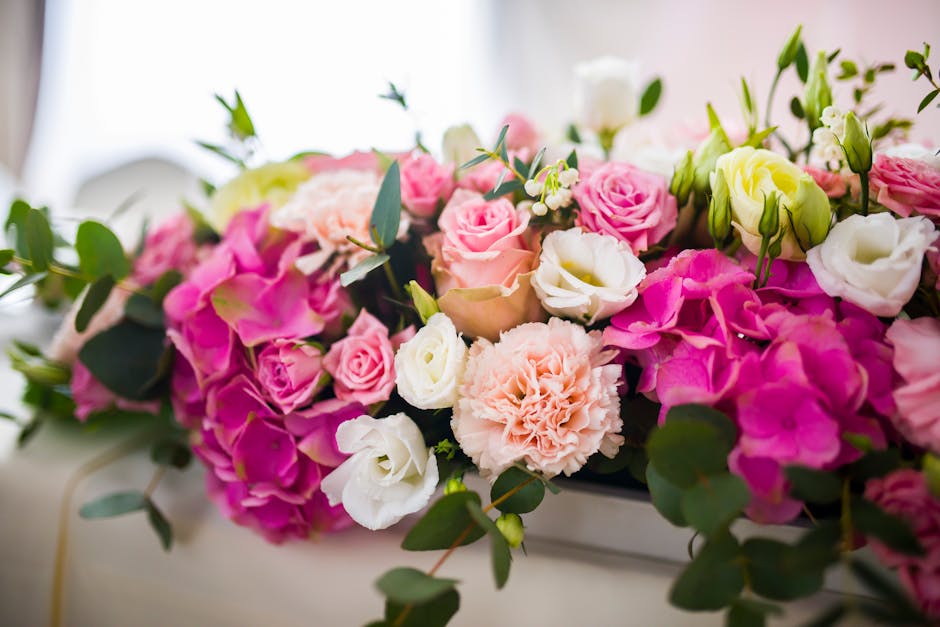
Wedding flowers can feel strangely emotional. One minute you are choosing roses, eucalyptus, or a wild meadow look; the next you are being told what is "proper", what will "look cheap", or what you "have to" do for a UK wedding. Truth be told, a lot of that advice is just old wedding folklore dressed up as certainty. If you are trying to plan flowers without wasting money or second-guessing every decision, it helps to separate practical guidance from the common wedding flower myths UK couples should ignore.
That is what this guide is for. We will unpack the most persistent flower myths, explain what actually matters, and help you make choices that suit your venue, season, budget, and style. Whether you are planning a big city wedding, a village hall celebration, or something in between, the goal is the same: flowers that look beautiful, feel personal, and do not create avoidable stress.
And yes, there is a lot of noise out there. Some of it comes from Pinterest, some from well-meaning relatives, and some from vendors who may be more theatrical than helpful. Let's clear that up properly.
- Why these myths matter
- How wedding flower choices really work
- Key benefits of ignoring the myths
- Who this advice is for
- Step-by-step planning guidance
- Expert tips for better results
- Common mistakes to avoid
- Tools, resources and recommendations
- Law, compliance, standards, or best practice
- Options, methods, or comparison table
- Case study or real-world example
- Practical checklist
- Conclusion
- Frequently asked questions
Why Common wedding flower myths UK couples should ignore Matters
Flower myths sound harmless, but they can quietly push couples into poor decisions. A myth might make you overspend on blooms that do not suit the venue. It might steer you away from seasonal flowers that would look better and cost less. It might even make you worry that your wedding will seem "less elegant" if you choose something modern, seasonal, or understated.
That is the real issue. Wedding flowers are not just decoration. They affect the mood of the day, the photos, the room layout, and often the budget more than people expect. In a UK setting, where weather, venue lighting, and seasonal availability all play a part, clinging to myths can create a mismatch between expectation and reality.
There is also the emotional side. Couples already have enough decisions to make. If every auntie has a theory about what flowers "must" be used, planning starts to feel heavier than it should. Ignoring bad advice does not mean ignoring tradition entirely. It means being thoughtful about which traditions actually serve your day.
To be fair, some myths persist because they started with a grain of truth. For example, certain flowers are indeed more readily available in some seasons, and some arrangements need more time to design. But "harder" is not the same as "impossible", and "traditional" is not the same as "best".
How Common wedding flower myths UK couples should ignore Works
The simplest way to think about wedding flowers is this: your choices should follow three things - style, season, and setting. Everything else is secondary. A good florist will help you interpret the look you want, explain what is realistic for the time of year, and adjust the design to suit the venue, your priorities, and the budget.
Myths tend to ignore that process. They flatten everything into rules like "winter weddings must use dark colours" or "budget flowers look basic" or "real flowers are always better than mixed designs". In practice, there are many valid approaches.
For example, if you are marrying in late autumn in the UK, you might lean towards textured blooms, berries, grasses, and warm tones. That does not mean the design will feel heavy. Done well, it can look layered, fresh, and expensive in the best sense. Likewise, a spring wedding can use simple tulips and narcissi and still feel polished rather than plain.
A useful way to think about it is this:
- Style sets the overall look: romantic, modern, rustic, classic, garden-inspired, or something else.
- Season influences what is naturally available and often what is most cost-effective.
- Setting includes the venue, light, table sizes, weather, and how guests will move through the space.
- Budget helps determine where to invest, whether that is the bouquet, ceremony flowers, or table arrangements.
Once you understand those four moving parts, the myths start to look a bit flimsy, honestly.
Key Benefits and Practical Advantages
Ignoring wedding flower myths is not about being contrary. It gives you more control, more flexibility, and usually better value. Couples often notice the biggest benefit once they stop trying to "follow the rules" and start making choices based on what they actually want.
Better use of budget
When you are not chasing unnecessary trends or "must-have" flowers, you can spend where it matters. That may mean a fuller ceremony display, a stronger bridal bouquet, or better reception table styling. Sometimes one statement arrangement has more impact than ten small ones. Simple maths, really.
More personal results
Wedding flowers should feel like your day. If your story is tied to a local garden, a favourite colour, or a particular season, it makes sense to reflect that. Myths often flatten weddings into one-size-fits-all formulas, which is a shame. Personal choices tend to photograph better too, because they look intentional rather than copied.
Less stress during planning
There is relief in knowing you do not have to satisfy every opinion. Once you decide what matters most, planning becomes easier. You can ask better questions, brief your florist more clearly, and avoid last-minute changes driven by panic.
More suitable designs for UK venues
UK venues vary hugely - manor houses, barns, hotels, registry offices, marquees, village halls, even cosy restaurants. A design that works in one space may feel too large or too sparse in another. Ignoring myths lets you match the flowers to the room rather than forcing the room to fit the myth.
Smarter seasonal choices
Seasonal thinking does not mean limiting yourself. It means being practical. In many cases, seasonal flowers look fresher, travel better, and give a more natural finish. If a certain bloom is important to you, a good florist can often suggest similar flowers or a way to include it without building the whole design around it.
Expert summary: the best wedding flower decisions usually come from balancing look, season, and venue rather than following "rules" that sound confident but do not hold up in real life.
Who This Is For and When It Makes Sense
This advice is for any UK couple who wants wedding flowers to feel beautiful and sensible at the same time. If you are early in planning, it helps you avoid costly misconceptions. If you are already midway through and feeling boxed in by advice from family, suppliers, or social media, it can help you reset.
It is especially useful if you are:
- planning on a realistic budget and want your money to go further
- getting married outside peak summer and worry about flower availability
- choosing a venue with strong style cues, such as a rustic barn or formal hotel
- trying to blend tradition with a more modern, personal aesthetic
- feeling pressure to choose "classic" flowers even though they are not your style
- comparing fresh flowers, mixed designs, and lower-maintenance alternatives
It also makes sense if you simply do not know what is true and what is noise. Wedding flowers are one of those areas where everyone seems to have an opinion. Some of it is useful. Some of it is utter nonsense, let's face it.
Step-by-Step Guidance
If you want a clean way through the myths, use this practical process. It keeps the planning grounded and helps you avoid impulsive decisions.
- Start with the venue. Look at the space before you think about flowers. High ceilings, low light, long tables, exposed brick, pale walls, and large windows all affect what will work best.
- Decide the feeling you want. Romantic, bright, calm, dramatic, elegant, relaxed - the emotional tone matters more than chasing a particular flower name.
- Check the season. Ask what is naturally strong in the month you are marrying. A winter bouquet and a May bouquet should not be planned in the same way.
- Set a realistic budget. Be honest about your priorities. If flowers matter a lot, spend accordingly. If not, scale back and redirect funds elsewhere.
- Shortlist blooms by look, not myth. Focus on shape, colour, scent, and texture. A flower does not become "wrong" because someone says so online.
- Talk to a florist early. A good florist can suggest substitutions, container styles, and design options that suit your venue and season.
- Review sample palettes. Ask for mood boards or references, then compare them against your outfit, stationery, and overall styling.
- Confirm logistics. Delivery timing, setup, breakdown, and transport all matter. Pretty arrangements are lovely. Pretty arrangements that arrive on time are better.
A small real-world observation: couples often spend ages debating one bloom and then forget the practical stuff, like whether the centrepieces will be too tall for guests to talk across. It happens all the time.
Expert Tips for Better Results
If you want wedding flowers that look more expensive than they were, or simply more polished, a few habits make a genuine difference.
1. Think in layers
The most effective arrangements usually combine different textures. A single flower type can look elegant, but layered designs often read richer in photos and in the room. Florists may use foliage, smaller filler blooms, and varied shapes to build depth without overcomplicating the look.
2. Use colour carefully
You do not need every shade in the palette. Often, two or three tones are enough. A restrained palette can feel more luxurious than something crowded and overly busy. If you love colour, use it with intention rather than all at once.
3. Be open to substitutions
If a specific flower is unavailable or wildly expensive, ask for a visual alternative rather than insisting on the exact bloom. Many couples are pleasantly surprised by how good the substitute looks. The bouquet still feels like theirs. Sometimes better, honestly.
4. Match flowers to the photograph style
If your photographer uses soft natural light, delicate flowers may look beautiful. If your venue is darker or more dramatic, stronger contrast may work better. This is one of those quiet details people do not always think about until they see the proofs.
5. Consider scent and comfort
Fragrance can be lovely, but heavy scent in a warm room can become too much. Also, some guests are sensitive to strong pollen or smell. A thoughtful florist can help balance fragrance and practicality.
6. Don't overdo every zone
You do not need an arrangement everywhere. Sometimes a few stronger focal points - ceremony, top table, entrance, cake table - make more impact than spreading flowers thinly across everything. Less scatter, more intention.
Common Mistakes to Avoid
Myths usually lead to mistakes, and those mistakes are often predictable. The good news? They are avoidable once you know what to watch for.
- Choosing flowers by social pressure. A bloom is not automatically right just because it is "traditional" or popular.
- Ignoring seasonality completely. You can ask for out-of-season flowers, but it may affect price, sustainability, and availability.
- Underestimating venue scale. Tiny arrangements can disappear in a large space, while huge ones can overwhelm smaller rooms.
- Focusing only on the bouquet. The bridal bouquet matters, yes, but ceremony and reception flowers shape the guest experience too.
- Not checking the set-up window. Some venues have tight access rules. A beautiful design is no use if there is nowhere sensible to install it.
- Assuming fresh flowers are the only "proper" option. Mixed approaches can be smart and stylish when designed well.
- Leaving decisions too late. Good florists often get booked ahead, especially for busy summer Saturdays.
There is a gentle trap here: people think they are being "safe" by choosing whatever sounds traditional, but they often end up with something less suitable. The safer choice is usually the informed one.
Tools, Resources and Recommendations
You do not need complicated software to plan flowers well. A few simple tools and habits are enough.
- Mood board or inspiration folder: keep images of arrangements you like, but note what specifically appeals to you - colour, shape, density, or style.
- Venue photos: bring images of the actual room, including tables, ceremony area, and natural light if you have it.
- Colour swatches: helpful for matching bridesmaid dresses, stationery, ribbons, and table linen.
- Budget split: write down what matters most so you can allocate spend without guessing.
- Floral preference list: note any flowers you love, dislike, or are allergic to.
It also helps to work through a simple conversation with your florist: what is the season, what is the venue style, what are the must-have elements, and what is flexible? That alone can cut through half the confusion.
If you are coordinating other wedding elements too, it can be useful to keep your planning consistent across suppliers. For broader venue and event inspiration, you may find it helpful to explore Ridgeway Roofing as part of understanding how different spaces and surfaces affect styling decisions, though of course flowers remain their own world.
Law, Compliance, Standards, or Best Practice
Wedding flowers are not usually a heavily regulated area in the way food or venue safety might be, but there are still sensible standards and practical duties to keep in mind. These are mostly about care, clarity, and safety.
Venue rules matter. Some venues have limits on candles, hanging installations, confetti, taped surfaces, or access times. Flower plans should fit the venue's own house rules. If you are using arches, tall plinths, or large displays, make sure the supplier understands what the venue will allow.
Allergies and sensitivities matter. If you know guests are sensitive to strong scents, pollen, or certain plant materials, choose accordingly. That does not mean removing all fragrance. It means being considerate.
Freshness and handling matter. Flowers should be stored and transported properly. Wilted petals or bruised stems can happen if arrangements are squeezed into hot cars or left too long without water. A professional florist will usually plan around this, but it is worth checking.
Environmental claims should be treated carefully. If a supplier describes flowers as "eco-friendly" or "sustainable", ask what that means in practice. Seasonal sourcing, reducing waste, reusable mechanics, and local supply chains can all help, but the details matter more than the label.
Contracts and scope matter. For larger weddings, make sure the proposal clearly covers delivery, installation, collection, and any hire items. Wedding planning is one of those areas where small assumptions become expensive surprises.
Options, Methods, or Comparison Table
One of the biggest myths is that there is only one "proper" way to do wedding flowers. In reality, couples usually choose between a few broad approaches. Each has strengths.
| Approach | Best for | Pros | Trade-offs |
|---|---|---|---|
| Seasonal fresh flowers | Couples wanting a natural look and good value | Often fresher, more sustainable in practice, and easier to match to the time of year | Limited by season and availability |
| Specific premium blooms | Couples with a clear flower preference | Highly personal and visually striking | Can cost more and may require substitutions |
| Mixed fresh and decorative elements | Budget-conscious or style-led weddings | Flexible, creative, and useful for larger setups | Needs careful design so it feels cohesive |
| Minimalist floral styling | Modern venues or smaller budgets | Clean, elegant, and less wasteful | Relies on strong composition, so detail matters |
Here is the useful bit: none of these approaches is "less wedding-like". That myth dies quickly once you see them done well. The difference is style fit, not legitimacy.
Case Study or Real-World Example
Imagine a couple planning a late September wedding in the UK. They initially believe they need white roses everywhere because they have been told that "classic" flowers are safest. They also worry that a more seasonal palette will look informal, maybe even a bit rustic in the wrong way.
After discussing the venue, they realise the ceremony room has warm wood, soft afternoon light, and fairly low ceilings. A huge formal display would feel heavy. So instead of chasing the myth of "more elegant = more roses", they choose a mix of seasonal blooms in cream, blush, and soft green, with a few textured details to give shape. They keep the bridal bouquet slightly fuller and simpler arrangements for tables.
The result? The room feels calmer and more considered. Guests can still see across the tables. The couple spends less than they feared because they are not forcing a hard-to-source flower everywhere. And the photos look coherent, because the flowers suit the light and the space. Not glamorous in a forced way. Just right.
That is usually the pattern when myths are ignored: the flowers stop trying to impress in theory and start working in reality.
Practical Checklist
Use this checklist before you finalise your flower choices.
- Have you decided on the overall mood you want?
- Do the flowers suit the venue size, shape, and light?
- Have you checked what is in season around your wedding date?
- Do you know which flowers are must-haves and which are flexible?
- Have you set a clear budget for bouquets, ceremony flowers, and reception styling?
- Have you asked about delivery, installation, and collection timings?
- Have you checked venue rules on setup, fixtures, and access?
- Have you considered scent, allergies, and guest comfort?
- Do the flowers fit with outfits, stationery, and table styling?
- Have you reviewed substitution options in case something is unavailable?
Quick reassurance: if you cannot tick every box, do not panic. Most couples refine the plan as they go. The trick is to make informed decisions, not perfect ones.
Conclusion
Wedding flowers should make your day feel more like you, not more like someone else's rules. The common wedding flower myths UK couples should ignore tend to create pressure, not beauty. Once you move past them, planning becomes calmer, more creative, and usually more cost-effective.
In the end, the best floral choices are the ones that suit your season, venue, and priorities. That might mean embracing seasonal blooms, trimming unnecessary extras, or choosing a simpler design that lets the space breathe. Whatever direction you take, make sure it feels thoughtful rather than automatic.
If your flowers make you smile when you see them on the morning of the wedding - and a little bit later when you look back at the photos - that is usually the right answer.
Get a free quote today and see how much you can save.
Frequently Asked Questions
Do wedding flowers really need to match the season?
No, they do not have to match the season exactly, but seasonality usually helps with availability, freshness, and cost. If you want an out-of-season bloom, a florist may still be able to source it, though it could affect the budget or require a substitute.
Are expensive flowers always better for weddings?
Not at all. Some expensive flowers are lovely, but price does not automatically equal impact. A well-designed arrangement using simpler seasonal blooms can look more elegant than a costly mix that does not suit the venue.
Is it true that white flowers are the most traditional choice?
White flowers are traditional in many weddings, yes, but they are not the only classic option. Soft blush, green, cream, and even richer colours can all feel timeless when used well.
Can I mix artificial and fresh flowers at my wedding?
Yes, you can. A mixed approach can be practical, especially for decorative installations, hard-to-reach areas, or budget control. The key is making sure the design still looks cohesive rather than obviously split.
How far in advance should I book wedding flowers in the UK?
It is sensible to book as early as possible, especially for popular spring and summer dates. Some couples book a year ahead, though the exact timing depends on your date, venue, and florist availability.
Do bigger bouquets mean a better-looking wedding?
Not necessarily. Bouquet size should suit your proportions, dress style, and comfort. A huge bouquet can look stunning in photos, but if it feels awkward to carry, it stops being helpful pretty quickly.
What if my favourite flower is out of season?
Ask your florist about alternatives that create a similar shape, colour, or feel. Sometimes one or two stems of the original flower can be included, with other blooms carrying the design around them.
Are scented flowers a bad idea for weddings?
Not at all, but strong fragrance should be used carefully. If your ceremony or reception is indoors, or if guests are sensitive, it may be better to choose a lighter scent profile.
Do I need flowers everywhere at the venue?
No. In many cases, a few well-placed arrangements create more visual impact than scattering flowers across every possible surface. Fewer, better-placed flowers can feel more polished.
How do I know if a florist is right for my style?
Look at their previous work, ask how they approach seasonal substitutions, and see whether they listen to what you want rather than pushing a standard formula. A good florist should help you refine the brief, not overwrite it.
Are seasonal flowers always cheaper?
Often they are more cost-effective, but not always. Sourcing, flower type, design complexity, and volume all play a part. Still, seasonality usually gives you a better balance of value and freshness.
What is the biggest wedding flower myth to ignore?
Probably the idea that there is only one "correct" style for a wedding. There really is not. The best flowers are the ones that suit your venue, season, budget, and personal taste. That's the honest answer.