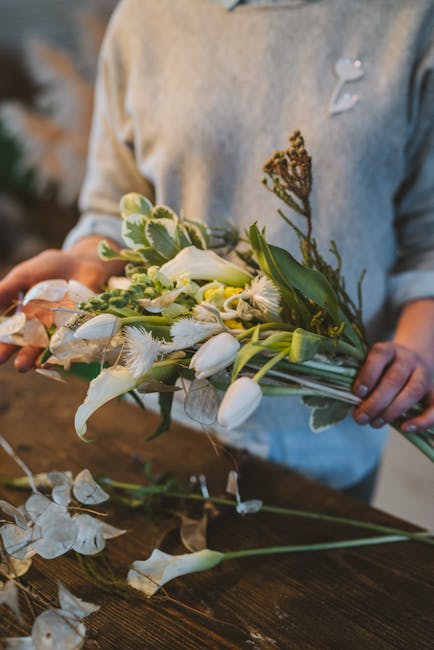
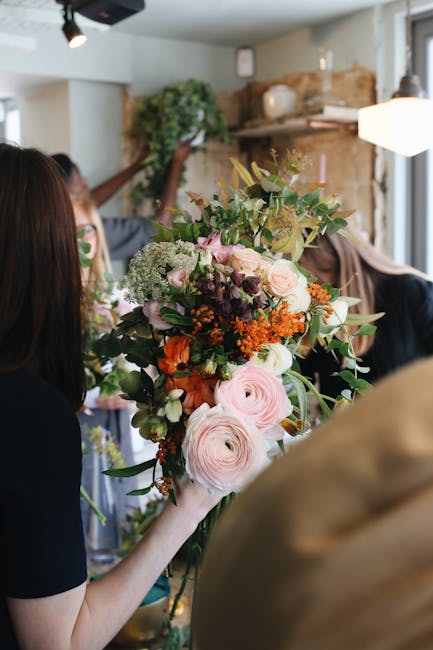
DIY posy basics: safe flower handling for UK beginners
If you've ever picked up a bunch of flowers and thought, "Right, how hard can this be?", you're in good company. A small posy looks simple, but getting it to feel neat, safe, and actually last a bit longer takes a little know-how. This guide to DIY posy basics: safe flower handling for UK beginners walks you through the practical side of making posies at home: choosing flowers, handling stems safely, trimming properly, and avoiding the common mistakes that turn a promising bunch into a soggy mess by tea time.
Whether you're arranging flowers for a birthday, a table setting, a thank-you gift, or just because the kitchen needed some colour, the basics matter. A good posy should be easy to manage, gentle on your hands, and suitable for the space it's going into. And to be fair, once you get the rhythm, it becomes one of those satisfying little jobs you can do on a Sunday morning with the radio on and a cup of tea nearby.
This article is written for UK beginners, so it keeps things practical, calm, and realistic. You'll find safe flower-handling guidance, a step-by-step method, a comparison table, a real-world example, and a checklist you can actually use. If you also want deeper aftercare advice once your posy is made, the flower care guide is a useful next stop.
Table of Contents
- Why safe posy handling matters
- How posy making works
- Key benefits and practical advantages
- Who this is for and when it makes sense
- Step-by-step guidance
- Expert tips for better results
- Common mistakes to avoid
- Tools, resources and recommendations
- Law, compliance, standards, or best practice
- Options, methods, or comparison table
- Case study or real-world example
- Practical checklist
- Conclusion
- Frequently asked questions
Why DIY posy basics: safe flower handling for UK beginners Matters
A posy is small, but it still deserves proper handling. Stems can be sharp, sap can irritate skin, water can spill, and some flowers leave pollen or dye that stains hands and surfaces. If you're using supermarket flowers, garden cuttings, or a delivered bouquet, safe handling helps you keep the process tidy and more enjoyable.
There's also the practical side. When flowers are handled badly, they bruise faster, take up water poorly, and start drooping sooner. The result is usually the same: a posy that looked lovely for about an hour and then gave up. Most beginners don't need fancy skills. They just need a few grounded habits-clean tools, cool water, careful trimming, and a bit of patience.
For UK households, there's often another layer too: smaller kitchens, shared worktops, limited storage, and maybe a cat sniffing around the jug because it looks like a science experiment. Safe flower handling is partly about the flowers, yes, but it's also about making the whole process calm and manageable in a normal home.
Expert takeaway: The safest posy is usually the simplest one. Clean stems, clean tools, and flowers chosen with care will do more for results than any decorative trick.
If you're ordering blooms for a special occasion, you may also want to look at the site's guarantees and delivery information so you know what to expect when flowers arrive fresh and ready to work with.
How DIY posy basics: safe flower handling for UK beginners Works
At its simplest, posy making is about turning a loose selection of stems into a balanced small bouquet. You inspect the flowers, prepare the stems, build the arrangement in layers, and then finish it so it stays neat in the hand or in a small vase.
The handling part comes first. A beginner-friendly process usually looks like this:
- Choose flowers that are fresh, firm, and not dropping petals.
- Remove packaging carefully so you don't crush the heads or snap stems.
- Strip away lower leaves that would sit in water.
- Trim the stems with clean scissors or secateurs at an angle.
- Keep flowers in water while you work, unless the variety needs a dry pause.
- Rotate the posy as you build it so the shape stays balanced.
- Finish with clean binding, ribbon, or a vase, depending on your purpose.
A small but useful point: different flowers behave differently. Roses are sturdy, tulips are quite lively and keep moving, and some soft stems bruise easily if you grip them too tightly. So the method is less about force and more about control. Think gentle, not fiddly.
That control is also why many beginners prefer to use flowers that have already been professionally prepared. If you're ordering rather than gathering from the garden, a reputable flower delivery service can take some of the guesswork out of freshness, stem condition, and timing.
Key Benefits and Practical Advantages
Learning the basics properly pays off quickly. A well-handled posy looks better, lasts longer, and is easier to give or display. It also reduces the chance of bruised petals, bent stems, and that slightly wilted look you get when flowers have been overhandled.
Here are the main advantages in plain English:
- Better flower life: clean cuts and quick water access help stems drink properly.
- Safer working: fewer cuts, less slipping, and less chance of skin irritation.
- Cleaner finish: a neat posy looks more intentional and less "I found these in a panic".
- Less waste: you avoid damaging usable stems and blooms.
- More confidence: once you know the rhythm, you can make posies without overthinking every step.
There's also a nice emotional benefit, if we're honest. Making a posy with your own hands feels thoughtful in a way a shop-bought arrangement sometimes doesn't. Even a tiny bunch of spring stems can change a table, a hallway, or someone's day. Simple job, decent payoff.
If you're planning to gift the posy, it helps to understand how the flowers will travel and arrive. The pages on flower care and returns and refunds are useful for setting expectations around freshness and what to do if something isn't right.
Who This Is For and When It Makes Sense
This guide is for beginners, but not only beginners. It's useful if you're making a posy for a wedding table, a kitchen jug, a care package, a small celebration, or a quick thank-you gift. It also suits people who already love flowers but want a safer, tidier process.
You'll probably find it especially helpful if you:
- are new to flower arranging and want a simple starting point;
- buy mixed bouquets and want to reuse stems creatively;
- cut flowers from a garden and need a clean method;
- have limited counter space and need a compact workflow;
- want to avoid irritation, staining, or avoidable damage;
- prefer practical advice over fancy floristry language.
It makes sense any time you want a small arrangement rather than a large bouquet. A posy is easier to control, easier to transport, and often easier on the budget too. That said, if you're arranging flowers for an event or business setting, it may be worth looking at corporate accounts for more structured ordering, especially if you need recurring deliveries or consistent presentation.
One small reality check: if you're making flowers for a warm room, a busy event, or a same-day gift, time matters. Don't prep stems too early and leave them out. Fresh water and cool handling are your friends here.
Step-by-Step Guidance
Here's a straightforward method that works well for most beginner posies. It's not the only way, but it's a reliable one.
1. Set up a clean working space
Clear a table, wash the vase or jug, and lay out a small towel or sheet of paper. You want a space where stems won't slide away and petals won't end up stuck to yesterday's crumbs. Mild chaos is part of flower arranging, but not too much.
2. Gather your tools
Keep your scissors, secateurs, water, vase, and flowers close together. If you're using roses, lilies, or anything with pollen, it's smart to have a cloth nearby too. If you're planning a display for a table, the site's about us page gives a sense of the kind of florist-led service that can support a more polished finish when you want one.
3. Inspect each stem
Check for bruising, split stems, mould, browning edges, or limp heads. Remove anything that looks past its best. A tired stem won't suddenly improve because you're nice to it. Flowers are charming, but they are not sentimental about survival.
4. Strip lower foliage
Take off leaves that would sit below the waterline. Those leaves rot quickly and cloud the water, which shortens the life of the posy. Use your fingers gently, or a clean blade if the stem is stubborn.
5. Trim stems carefully
Cut each stem at an angle with clean tools. That angled cut increases the surface area for water uptake. Keep your fingers clear of the blade path-this sounds obvious, but in the middle of a busy kitchen it's easier to forget than you'd think.
6. Build the posy in your hand or vase
Start with a focal flower, then add supporting blooms and airy filler stems. Rotate the arrangement often so it doesn't lean one way like it's trying to escape. If you're using a hand-tied style, keep the binding point steady while you add new stems in a spiral.
7. Check balance, height, and scent
Step back and look at the shape. Does it feel crowded? Is one side too heavy? Do you have one very tall stem wobbling about? Adjust gently. This is the part where a small pause helps. Sometimes you can see the shape better after ten seconds of not touching it.
8. Place in fresh water straight away
Once the posy is complete, put it into a clean container with fresh water as soon as possible. If you're gifting it, keep it cool while you travel. Avoid leaving it near radiators, sunny windows, or the boot of the car for ages. UK weather changes fast, but indoor heating is the real flower villain.
Expert Tips for Better Results
Most of the improvement comes from small habits. Nothing dramatic. Just the unglamorous basics done well.
- Use clean tools every time. Dull or dirty blades crush stems and spread bacteria.
- Change the water early. Don't wait until it looks murky.
- Work with the flowers' natural shape. Tulips, for example, move and tilt over time. That's normal.
- Keep delicate blooms separate until you're ready. It reduces accidental bruising.
- Mind pollen-heavy flowers. Lilies can stain clothing and surfaces, so handle them with care.
- Use cooler rooms when possible. Heat makes most cut flowers age faster.
One of the best tricks is to make the posy in stages, not all at once. Add a few stems, step back, adjust, then continue. It sounds almost too simple, but it really helps with balance. And, frankly, it stops that "too many flowers in one hand, now what?" feeling.
If your arrangement is being sent as a gift, a reliable delivery partner matters just as much as the flowers themselves. It may be worth checking the practical details on delivery and, if needed, the wider terms and conditions so there are no surprises later.
Common Mistakes to Avoid
Beginners usually make the same handful of mistakes. The good news? They're all fixable.
- Holding stems too tightly: this bruises soft flowers and makes the posy look stressed.
- Using blunt scissors: a crushed stem drinks poorly and deteriorates more quickly.
- Leaving leaves in water: this shortens vase life and makes the water smell off sooner.
- Mixing very mature and very fresh blooms: the arrangement becomes uneven fast.
- Ignoring thorn safety: roses, brambles, and some garden stems can nick your fingers.
- Overcrowding the arrangement: if every flower is fighting for space, the posy loses shape.
- Forgetting transport: even a lovely posy can be ruined by a wobbly car journey or a hot windowsill.
Let's face it, most "flower disasters" are not dramatic. They're usually just a series of tiny avoidable things. A few leaves left below water. One dodgy cut. Ten minutes too long on the sideboard. That's all it takes.
If you ever receive flowers that don't seem right, customer support pages such as contact us and guarantees are useful to check before you start making assumptions.
Tools, Resources and Recommendations
You do not need a professional florist's bench to make a good posy. In most UK homes, a few simple tools are enough.
| Tool | Why it helps | Beginner note |
|---|---|---|
| Clean scissors or secateurs | Makes neat cuts without crushing stems | Keep them sharp and dry |
| Small vase or jug | Supports a compact arrangement | Choose something stable, not top-heavy |
| Fresh cool water | Helps flowers hydrate quickly | Change it regularly |
| Paper towel or cloth | Useful for wiping sap, pollen, and spills | Keep one nearby from the start |
| Binding ribbon or twine | Useful for hand-tied posies | Don't tie so tightly that stems bruise |
On the resource side, it helps to rely on clear care guidance rather than guesswork. The site's flower care page is a sensible companion to this guide, especially if you want your posy to last past the first evening. If you're buying blooms regularly, the sustainability information may also matter, particularly if you care about sourcing choices and waste reduction.
A small practical tip: keep a dedicated pair of flower scissors if you can. It's one of those tiny domestic upgrades that makes life easier. Nothing glamorous, but it works.
Law, Compliance, Standards, or Best Practice
For home posy making, there usually isn't a complicated legal framework to worry about. Still, best practice matters, especially if you're handling flowers for gifts, events, or shared spaces. The main concerns are ordinary safety and fair consumer expectations rather than formal regulation.
Good practice includes:
- using clean tools to reduce contamination;
- handling sharp thorns and blades carefully;
- keeping flowers away from small children and pets where needed;
- following product or care guidance provided by the seller;
- checking delivery, refund, and guarantee terms before ordering;
- being honest about what a bouquet can realistically look like if it's seasonal or handmade.
If you're ordering flowers online in the UK, the details on payment, returns and refunds, and privacy policy are worth reading, even if only briefly. It's not the fun part, granted, but it helps you understand how the service works and what support is available.
For organisations ordering flowers at scale, it can also be useful to know how a supplier approaches responsibility and governance. Pages like modern slavery statement and accessibility statement show a broader commitment to trust and inclusion, which matters when you're choosing where to buy from.
Options, Methods, or Comparison Table
There's no single right way to make a posy. The best method depends on the look you want, the flowers you have, and how much control you need.
| Method | Best for | Pros | Watch out for |
|---|---|---|---|
| Hand-tied posy | Gifts, small celebrations, relaxed floral styling | Looks elegant, easy to carry, flexible | Can slip out of shape if tied too tightly or too loosely |
| Vase posy | Home display, table centrepiece, beginner practice | Easiest to refresh and maintain | Needs the right vase size and water level |
| Garden-gathered posy | Seasonal arrangements, quick casual use | Personal, low-cost, flexible | Mixed stem quality and variable vase life |
| Delivered bouquet repurposed as a posy | Making the most of store-bought flowers | Convenient, often already selected for harmony | Needs careful stem sorting and quick hydration |
For most UK beginners, a vase posy is the least stressful starting point. A hand-tied version is lovely once you've got the feel for stem positioning. If you're using delivered stems, the benefit is that the flowers often arrive with a clear presentation style already in mind, which can save time.
Case Study or Real-World Example
Here's a very ordinary example, which is exactly why it's useful. Imagine a beginner making a posy for a neighbour's birthday on a wet Friday afternoon in Bristol. The flowers are a mix of roses, alstroemeria, and a few sprigs of eucalyptus. Nothing too precious, nothing wildly complicated.
The first attempt is a bit messy. The stems are held too hard, two leaves are left below the waterline, and one rose head gets brushed against the counter edge. Not a disaster, just slightly clumsy. After a reset, the maker trims everything again, keeps the stems in water while working, and builds the arrangement in a looser spiral. The result is smaller, neater, and far more balanced. It also survives the journey in a cardboard box without collapsing sideways, which is a win in anyone's book.
The main lesson? Slow down at the handling stage. A posy is not improved by speed. You can be efficient, yes, but rushing usually shows up later in drooping stems or a shape that looks "a bit off". And once you've made one decent posy, the confidence boost is real. You start noticing what different flowers want, which is half the fun.
If the bouquet came from a local florist or online delivery, the service pages on flower delivery and delivery can help you understand timing and handling expectations before the flowers even reach your table.
Practical Checklist
Use this quick checklist before and during posy making. It keeps the process tidy and saves a surprising amount of faffing about.
- Clean your work area before unpacking the flowers.
- Wash or wipe your vase, jug, or container.
- Keep scissors or secateurs sharp and clean.
- Remove packaging carefully to avoid crushing blooms.
- Check stems for bruising, mould, or damage.
- Strip off leaves that would sit below the waterline.
- Trim stems at an angle.
- Keep flowers in cool water while you work.
- Build the posy gradually and rotate it as you go.
- Step back and check balance before finishing.
- Place the finished posy into fresh water quickly.
- Keep it away from heat, direct sun, and ripe fruit if possible.
- Refresh water and re-trim stems if the arrangement is staying out for more than a day or two.
Quick reminder: if you feel rushed, stop for thirty seconds. The flowers will still be there. Usually that tiny pause is what saves the whole arrangement.
Conclusion
DIY posy making does not need to be complicated. The real skill is in safe, steady flower handling: clean cuts, gentle movement, fresh water, and a bit of attention to each stem. Once you understand those basics, you can create small arrangements that look polished without feeling overdone.
For UK beginners, the best approach is simple. Start with a few reliable flowers, keep your tools clean, and let the arrangement build naturally. Don't chase perfection. A good posy has balance, freshness, and a bit of personality, which is usually more appealing anyway.
If you want a more dependable starting point, especially for a gift or an important occasion, explore trusted delivery and care options first, then build your arrangement from there. It saves time, reduces waste, and makes the process feel much easier.
Get a free quote today and see how much you can save.
And if you're still standing in the kitchen with a bunch of stems, wondering whether it's working yet, it probably is. Flower arranging has a funny way of finding its shape just when you think it hasn't.
Frequently Asked Questions
What is the easiest posy style for beginners?
A small vase posy is usually the easiest starting point. It gives you more control over balance and stem support, and you don't need advanced tying skills straight away.
How do I safely handle flower stems with thorns?
Wear gloves if needed, keep your grip firm but not crushing, and trim thorns with care using clean tools. Roses can catch fingers quickly, so don't rush the prep stage.
Should I cut flower stems under water?
It's not essential for every home arrangement, but fresh angled cuts matter more than anything. If you do cut under water, keep the process clean and simple rather than awkwardly overcomplicating it.
Why do my posy flowers wilt so quickly?
Common reasons include poor stem cuts, leaves left in water, dirty containers, heat, or flowers that were already past their best. Sometimes it's just one of those things, but usually a small handling change helps.
What flowers are best for a beginner posy?
Sturdy, fresh stems that hold shape well are easiest to manage. Many beginners do well with roses, spray carnations, alstroemeria, chrysanthemums, and seasonal mixed stems.
How often should I change the water in a DIY posy?
As a general rule, change it regularly and sooner if it looks cloudy. Clean water makes a noticeable difference to vase life, especially in warmer rooms.
Can I use garden flowers in a posy?
Yes, as long as they're fresh and suitable for cutting. Check the stems carefully for insects, damage, or sap, and trim them cleanly before arranging.
What should I avoid touching when handling flowers?
Try not to crush the flower heads, bruise soft petals, or handle pollen-heavy blooms too roughly. Some flowers stain easily, so keeping a cloth nearby is sensible.
How do I transport a small posy safely?
Keep it upright, cool, and secure. A small box or snug container can help. Avoid leaving it in a hot car or near direct sunlight for long periods.
Do I need any special legal knowledge to make a posy at home?
No special legal knowledge is usually needed for a home posy. The main thing is safe handling, sensible tool use, and following the seller's care guidance if the flowers were delivered.
Is a hand-tied posy harder than a vase posy?
Usually yes, at least for beginners. A hand-tied posy needs more control over stem rotation and binding tension, while a vase posy gives you more support while you learn.
Where can I read more about flower care and delivery details?
Helpful next steps include the site's flower care guide, delivery page, and guarantees information. They give you a clearer picture of what to expect before and after your flowers arrive.