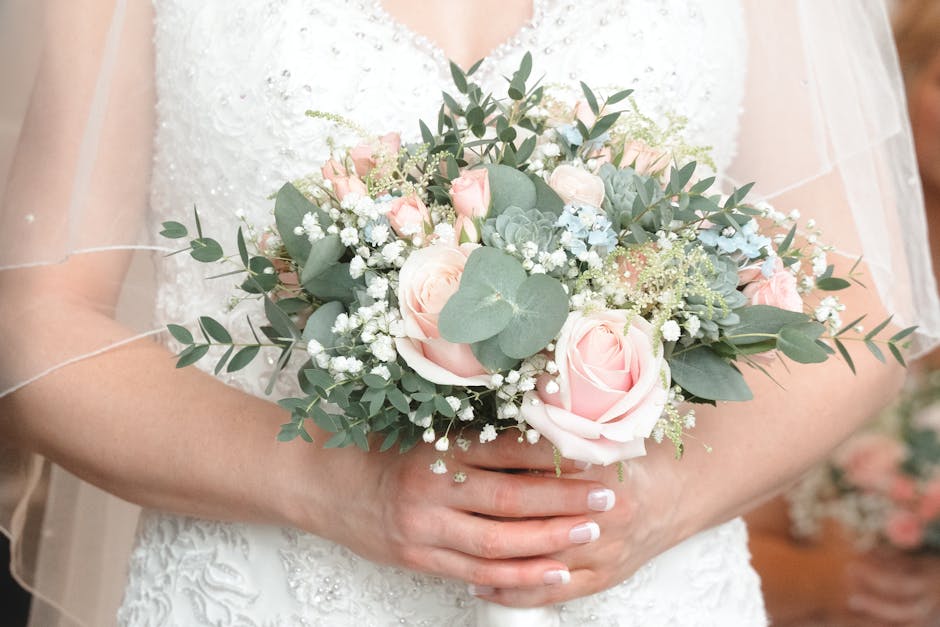
London vs Manchester: wedding flower costs and availability
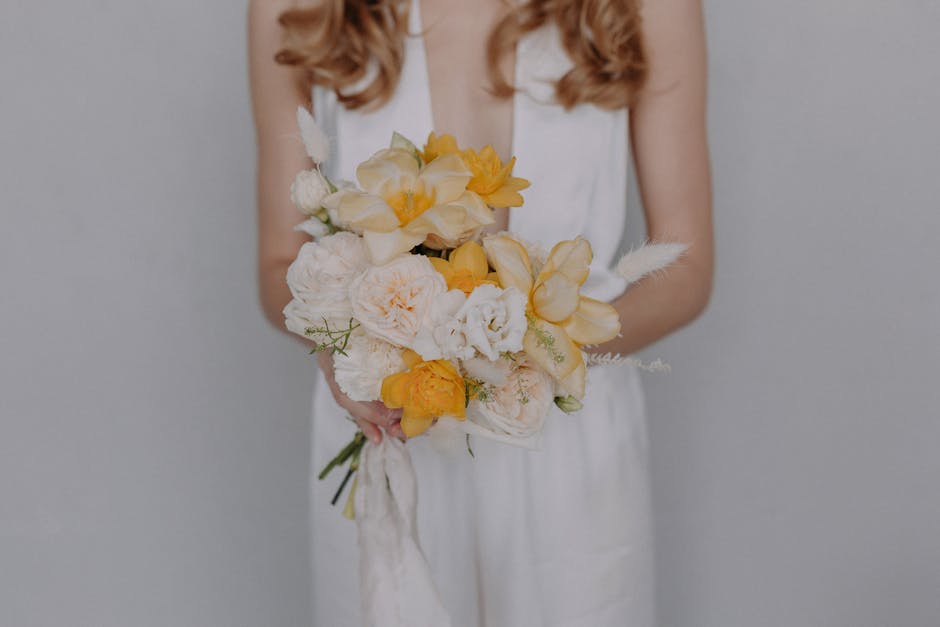
Planning wedding flowers can feel beautifully simple at first, then suddenly a bit... not simple at all. You fall in love with a trailing bouquet, or maybe a soft garden-style centrepiece, and then the quotes arrive. That is usually where the real question starts: what changes between London and Manchester, and why do wedding flower costs and availability look so different from one city to the other?
This guide breaks down the practical differences in a way that actually helps you plan. We will look at price drivers, seasonal availability, supplier access, transport realities, and how to make smart decisions without losing the look you want. If you are balancing style, budget, and timing, you are in the right place.
Why London vs Manchester: wedding flower costs and availability Matters
Let's face it, wedding flowers are rarely just "flowers". They shape the mood of the day, carry through the photographs, and often become one of the most memorable visual details. Whether you are planning a city hotel wedding, a warehouse reception, a church ceremony, or a relaxed countryside celebration, local market conditions change what is realistic, what is seasonal, and what is worth spending on.
London and Manchester both have excellent florists, but they do not always operate under the same commercial pressures. In London, higher overheads, tighter logistics, and more competition for premium venues can push prices up. Manchester often offers a slightly different value picture, with strong creative floristry and, in many cases, more breathing room on budget. That does not mean one city is "cheap" and the other "expensive". It is more nuanced than that.
If you are comparing wedding florist quotes, the city matters for more than just base price. It affects access to certain flower varieties, the speed of delivery, how much labour is involved, and whether your chosen style is easy to source locally. A peony-heavy June bouquet might be straightforward in one week and awkward in another. A tall installation can be simple in a venue with service lifts, and much less simple in a top-floor room with limited loading access. These little details, annoying as they are, change the final number.
There is also a trust side to this. Couples often want reassurance that what they see in a mood board can actually be delivered in their city, within budget, and on time. That is where a well-organised florist, clear communication, and a realistic plan make all the difference. If you are early in the process, pages like about the florist, delivery information, and service guarantees can help set expectations before you commit.
How London vs Manchester: wedding flower costs and availability Works
To compare the two cities properly, it helps to understand what actually makes a wedding flower quote. The headline total is usually made up of design time, flower varieties, labour, travel, installation, dismantling, and the amount of risk the florist is taking on if stems need to be sourced specially. The city itself influences several of those layers.
In London, florists often deal with higher studio costs, more complex delivery routes, stricter venue timings, and a broader expectation for premium styling. That can make even a modest floral brief feel more expensive once labour and logistics are included. In Manchester, the same broad brief may still involve high-quality blooms and stylish design, but the overall structure can sometimes be more forgiving on budget. Sometimes. Not always, but often enough to matter.
Availability works in a similar way. London usually has easier access to a wide range of florists, wholesalers, and specialist design studios. That means you can often find someone who can work in a very particular style, from wild garden arrangements to clean contemporary lines. Manchester also has strong supply and creative talent, but certain niche requests may need more lead time, especially around peak wedding season or for imported flowers.
Availability is not only about whether a bloom exists. It is also about whether it can be obtained in the right colour, grade, stem count, and condition. A florist may be able to source white ranunculus, for example, but not in the exact open bloom stage you had in mind unless the order is placed early. This is why a good florist will talk in practical terms rather than simply promising the world. If you want a reliable standard for freshness and aftercare, have a look at flower care guidance so you know what to expect once the arrangements arrive.
Another factor is venue access. In central London, delivery windows can be tighter and parking can be expensive or awkward. In Manchester, access may be more straightforward in some areas, though city-centre venues still have their own quirks. A ten-minute setup difference sounds tiny until your entire floral plan depends on it. Then it's suddenly very real.
Key Benefits and Practical Advantages
Comparing London and Manchester properly gives you a clearer budget, fewer surprises, and a better chance of getting the design you want without overpaying. That alone is worth the effort.
- Better budget control: You can separate "design ambition" from "city cost" and see where the money is actually going.
- Smarter flower choices: Knowing what is locally accessible helps you pick alternatives that still look luxurious.
- Less stress close to the wedding: Early availability checks reduce last-minute substitutions, which nobody enjoys.
- More realistic expectations: You will know whether a statement arch, large ceremony meadow, or candle-and-flower tablescape is within range.
- Stronger supplier conversations: Once you understand the local landscape, you ask better questions and get better answers back.
One practical advantage couples often miss is the power of flexibility. If your florist knows you are open to seasonal substitutions, the look can often stay almost identical while the cost drops. A London bouquet that would have required imported stems may be recreated in Manchester using a slightly different mix of British seasonal flowers, and the result can be just as beautiful. In fact, sometimes better.
Expert summary: The most expensive wedding flower choice is usually not the bloom itself, but the combination of timing, rarity, labour, and logistics. City by city, that combination shifts. Plan around the full picture, not just the stems.
There is also a sustainability angle. If a florist can source flowers more efficiently, with fewer unnecessary miles and less waste, the overall project is usually smoother. Couples who care about this often appreciate a florist's approach to sustainable sourcing and working practices, especially when they want their day to feel thoughtful rather than just extravagant.
Who This Is For and When It Makes Sense
This comparison is useful for quite a few types of couples, and not only those on a strict budget. If you are deciding between a London wedding and a Manchester wedding, flowers can be one of the clearest ways to compare overall value. They reveal a lot about the hidden costs of each location.
It makes particular sense if you are:
- planning a wedding in one city but living in the other
- choosing between a London venue and a Manchester venue
- trying to understand why different florist quotes look so different
- curating a specific floral style, such as romantic, modern, seasonal, or lavish
- planning around peak wedding months when certain blooms become harder to secure
- organising a same-day setup with limited venue access
It also matters if you are managing expectations with a partner, family, or planner. Wedding flower costs can be emotionally loaded. People often have a vision in their head from Pinterest or a friend's wedding, and then the practical side arrives. That gap can be frustrating. Knowing the city-specific reality helps turn "why is this so much?" into "ah, that is what is driving it." A much calmer conversation, honestly.
If you are supporting a larger event, or planning multiple deliveries across locations, it may also be worth looking at corporate account services if your event overlaps with hospitality, brand hosting, or venue partnerships. Different use case, same need for reliability.
Step-by-Step Guidance
Here is the simplest way to approach London vs Manchester wedding flower planning without getting tangled up in vague estimates.
-
Define your floral priorities.
Decide what matters most: bouquet size, ceremony impact, table flowers, installation pieces, or a full venue transformation. Not everything deserves equal spend.
-
Set your range before you ask for quotes.
A rough budget range helps florists suggest realistic options. If you stay silent on budget, you may receive dream quotes that are lovely to look at and difficult to act on.
-
Check seasonal availability first.
Ask what is naturally in season around your date, and which stems might require special sourcing. In many cases, the most elegant solution is seasonal rather than rare.
-
Share venue access details early.
Loading bay access, staircases, lifts, parking limits, and timing restrictions all influence cost. A florist cannot price honestly without them.
-
Compare like for like.
Do not compare a London quote including delivery, setup, and breakdown with a Manchester quote that only covers stems. That sort of comparison leads nowhere useful.
-
Ask about substitutions.
Good florists are transparent about what may change if a stem is unavailable. The goal is to protect the design, not cling stubbornly to one flower at any cost.
-
Confirm care and handover.
Especially for bridal bouquets and ceremony pieces, ask how flowers will be kept fresh before the event and what care is needed afterwards.
A small but useful habit: keep screenshots of the floral look you like, but annotate them. Write what you love about each image. Is it the colour palette, the looseness, the amount of greenery, or the shape? That helps a florist replicate the feeling rather than the exact arrangement, which is usually the smarter move.
Expert Tips for Better Results
Here is where a bit of experience saves money. In both London and Manchester, the couples who get the best value tend to be the ones who stay flexible in the right places and precise in the right places. That balance is everything.
Choose shape over rarity. If you love a soft, overflowing look, there are often several flower combinations that can achieve it. The shape matters more than insisting on a single premium stem in every arrangement.
Use the season as a design tool. Seasonal flowers are not a compromise if they are chosen well. In fact, they often create more natural colour and texture. A summer wedding can feel very different from a winter one, and that is part of the charm.
Be honest about your venue. A gorgeous arrangement that needs three lifts, a narrow service corridor, and a 6 a.m. setup is not a simple arrangement. It is a logistics project wearing a ribbon.
Ask for two versions of the brief. One "ideal" version and one "best-value" version. This is especially helpful in London, where the cost gap between a modest design and a premium one can widen quickly. In Manchester, too, it can reveal whether you are paying for scale, premium stems, or just extra labour.
Think in zones, not just items. Instead of asking for individual flowers only, map the wedding space: ceremony entrance, aisle, top table, guest tables, bar, cake area, and photo spots. That usually gives a better visual result and a clearer budget conversation.
And a small real-world note: on a busy summer Saturday, the difference between a florist who has planned carefully and one who is guessing becomes obvious very quickly. You hear it in the calmness. You see it in the van arriving on time. No drama, just flowers where they should be.
If you are unsure about payment timing, secure deposits, or what happens if plans change, it is wise to review the florist's payment information and terms and conditions before you commit. That is just sensible, not paranoid.
Common Mistakes to Avoid
Wedding flower budgeting goes sideways for a few predictable reasons. Fortunately, they are avoidable if you know what to watch for.
- Comparing cities without comparing scope. A quote with full setup is not the same as a quote for collection-only flowers.
- Booking too late for peak dates. Availability narrows during busy wedding months, especially for specific stems and design teams.
- Ignoring venue restrictions. Some venues limit delivery times, candle use, or installation methods, which affects floral design choices.
- Focusing only on the bouquet. The bouquet is important, yes, but ceremony and reception flowers often shape the overall spend more dramatically.
- Assuming all flowers are equally available everywhere. Some varieties are easy to source in one city at one time and a headache in another.
- Not asking what is seasonal. You may pay more simply because you have not been shown easier alternatives.
Another common issue is overfilling the brief with too many "must-haves". You do not need every single detail to be a hero moment. Honestly, the best weddings often have a few standout floral features and a lot of well-judged restraint.
One more thing: do not assume a lower quote always means better value. Sometimes the difference is genuine efficiency. Sometimes it is missing labour, transport, or installation. That kind of surprise arrives at the worst possible moment, usually when everyone is already dressed.
Tools, Resources and Recommendations
You do not need specialist software to plan wedding flowers well, but a few simple tools help you stay organised and keep conversations with florists clear.
- Budget tracker: A basic spreadsheet for items like bouquet, buttonholes, ceremony pieces, tables, delivery, and setup.
- Inspiration board: Images grouped by style, colour, and scale, not just by "pretty". That distinction matters more than people think.
- Venue notes: Access times, loading instructions, contact details, and any restrictions.
- Seasonal preference list: Flowers you love, flowers you can flex on, and flowers you would rather avoid.
- Care instructions: Especially useful for bouquets, buttonholes, and flowers that need gentle handling before the ceremony.
For practical support, it is also helpful to review delivery details, returns and refunds information, and contact options if you need to clarify a design, date, or delivery expectation before ordering.
If you prefer to understand the business side of the florist as well as the creative side, the about us page is useful for background, while guarantees can offer reassurance around service standards. Small things, but they build confidence.
Law, Compliance, Standards, or Best Practice
For wedding flowers, the most relevant "compliance" issues are usually practical rather than legal. That said, best practice still matters. Florists should be clear about pricing, delivery arrangements, care instructions, and any limitations around substitutions. Couples should read terms carefully and understand what is included before paying a deposit.
In the UK, wedding suppliers generally operate under consumer law expectations around clarity, fairness, and accurate description of goods and services. You do not need to become a legal expert, thankfully. But you do want to know what happens if a flower is unavailable, if timings shift, or if the venue changes access conditions. That should all be explained clearly.
It is also sensible to consider ethical sourcing and labour standards. If a supplier shares a modern slavery statement, that can be part of a wider transparency picture. Likewise, a thoughtful sustainability approach may matter to couples who want more responsible sourcing and less waste.
Accessibility matters too, particularly for websites and booking journeys. If you need to check whether a florist's site has been considered with all users in mind, the accessibility statement is worth a look. It sounds dry, perhaps, but these pages often tell you a lot about how carefully a business communicates.
And yes, always review the privacy policy if you are sharing event details, names, contact information, or delivery instructions online. Boring? A bit. Necessary? Absolutely.
Options, Methods, or Comparison Table
The table below gives a practical snapshot of how the two cities often differ in wedding flower planning. It is not a rigid rulebook, because every florist and venue is different. Still, it gives you a useful starting point.
| Factor | London | Manchester |
|---|---|---|
| Typical cost pressure | Often higher due to overheads, venue logistics, and premium demand | Can be more moderate, though premium designs still add up |
| Flower variety access | Very wide range, especially for specialist and luxury requests | Strong access overall, with some niche items needing extra lead time |
| Delivery complexity | Frequently more complex because of traffic, parking, and venue controls | Often simpler in some areas, though city-centre access still needs planning |
| Booking competition | High demand, particularly for peak dates and well-known suppliers | Healthy demand, but sometimes a little more room for flexible planning |
| Best fit for | Couples wanting a broad selection and a high-end urban supplier market | Couples seeking strong value, creativity, and potentially smoother logistics |
There are really three common ways couples approach this decision:
- Budget-led: choose the city and floral approach that gives the best total value.
- Style-led: pick the florist and design direction first, then adjust spending to fit.
- Logistics-led: choose the city or venue that makes delivery and installation simplest.
Most couples end up using a mix of the three. Sensible, really. Pure theory rarely survives a wedding spreadsheet.
Case Study or Real-World Example
Imagine two couples with similar floral taste. Both want a romantic, garden-inspired wedding with blush, ivory, and soft green tones. Both love roses, textural foliage, and a few standout focal flowers.
Couple A is getting married in central London. Their venue has a tight delivery window, limited parking, and a staircase between loading point and reception room. They want table flowers, a ceremony arrangement, a bouquet, buttonholes, and two statement urns. The florist's quote includes more labour time, transport planning, and a buffer for the difficult access. The blooms themselves are not the only reason the total is higher; the location is doing a fair bit of work there.
Couple B is getting married in Manchester in a venue with easier access and a more flexible setup schedule. They want a similar visual style, but they are open to seasonal substitutions and slightly smaller statement pieces. The florist can source an elegant, layered look with less logistical friction, and the total comes in more comfortably. It is not that the flowers are "better" or "worse". It is that the project is easier to deliver.
What is the lesson? The same design brief can cost differently because the delivery context changes. The smart move is to ask not just "How much will the flowers cost?" but "What exactly is included, and what makes this quote what it is?" That one question tends to unlock a much better conversation.
In a real wedding morning, this difference feels tangible. The London florist may be threading through traffic at dawn while the Manchester setup starts with a little more room to breathe. Same craft, different rhythm.
Practical Checklist
Use this checklist before you sign off any wedding flower plan:
- Do I know my floral priorities, not just my inspiration images?
- Have I set a realistic budget range for flowers and installation?
- Have I checked what is in season for my wedding date?
- Do I understand the difference between London and Manchester logistics for my venue type?
- Have I shared delivery access details, timings, and venue restrictions?
- Do I know whether the quote includes setup, takedown, and travel?
- Have I asked what substitutions may happen if stems are unavailable?
- Have I read the payment, terms, and refund information?
- Do I know how the flowers will be cared for before the event?
- Have I chosen at least one area where I can stay flexible if costs rise?
If you can tick most of those off, you are already ahead of the game. Truth be told, that is half the battle.
Conclusion
London vs Manchester: wedding flower costs and availability is really a question about balance. London often brings a wider premium supplier market and more intense logistics; Manchester often brings strong value and, in some cases, a little more room to create without the same pressure on the budget. The best choice depends on your venue, your style, your timing, and how flexible you can be on seasonal flowers and design scale.
The couples who feel happiest with their flowers are usually not the ones who spent the most. They are the ones who asked the right questions early, compared quotes properly, and worked with a florist who understood both the aesthetic and the practical side of the day.
So take your time, be clear about your priorities, and let the floral plan support the wedding you actually want, not the one you think you are supposed to have. That calmer approach tends to produce better flowers anyway. And a better morning, too.
Get a free quote today and see how much you can save.
Frequently Asked Questions
Are wedding flowers usually more expensive in London than Manchester?
Often, yes, but not always. London can carry higher labour, logistics, and venue-access costs, while Manchester may offer slightly more room on budget. The actual quote depends on design style, flower choice, and setup requirements.
Why do two florists quote such different prices for the same wedding?
Because they may not be quoting the same scope. One might include delivery, installation, and takedown, while the other only prices the flowers themselves. Experience, sourcing methods, and risk also influence pricing.
Which city has better flower availability for weddings?
London usually has very broad access to florists and suppliers, but Manchester also has strong availability. The main difference is often lead time for specialist blooms, not whether the flowers exist at all.
Can I get the same flowers in both London and Manchester?
Sometimes yes, especially for common seasonal flowers. For rarer stems, exact colour matches, or premium imported blooms, availability can vary by city, season, and supplier network.
How far in advance should I book wedding flowers?
As early as you reasonably can, especially for peak summer dates. Early booking improves choice, gives time for proper planning, and helps secure specific flowers or installation support.
What is the biggest hidden cost in wedding flowers?
Usually labour and logistics. Delivery timing, difficult access, installation complexity, and dismantling can add more to the final price than people expect.
Are seasonal flowers cheaper for weddings?
They often are, because they are easier to source and usually need less special ordering. More importantly, they tend to look fresh and natural, which is why many florists recommend them first.
Should I choose flowers before I choose a venue?
Not usually. Venue layout, access, and timing affect the floral plan quite a lot. It is better to choose the venue first or at least understand its practical limitations before finalising the floral brief.
How can I save money without making the flowers look cheaper?
Focus on shape, seasonal blooms, and a few high-impact areas rather than trying to fill every corner. You can also use flexible substitutions and concentrate the budget where guests will notice it most.
Do London venues make flower setup more difficult?
Some do, yes. City-centre access, parking limits, and tight loading windows can make setup more complex. That does not mean the result will be worse, just that the logistics need more planning.
Is Manchester a better choice for a tighter wedding flower budget?
It can be, depending on the venue and the design brief. Manchester may offer more favourable value in some cases, but the final price still depends on the exact flowers, styling, and service level you want.
What should I check before paying a deposit?
Review what is included in the quote, the payment terms, cancellation or refund conditions, delivery expectations, and how substitutions will be handled. It is also sensible to check the florist's service pages and business information so you know who you are dealing with.